
Optimal Timing for Storm Restorations
Storm restorations are most effectively performed when weather conditions are stable, typically during late spring through early fall. This period allows for thorough repair work without interruption from adverse weather, ensuring safety and quality. Timing is crucial to prevent further damage and to complete repairs efficiently.
Proactive restoration before storm seasons can mitigate damage, but the optimal window for extensive repairs is when the weather is predictable and calm. This approach minimizes delays and enhances the durability of the restoration work.
Storm seasons in Ohio typically peak from late spring to early fall, making this the best time for repairs to prevent further damage.
Scheduling restorations outside peak storm times can lead to quicker service and potentially lower costs due to reduced demand.
Stable weather conditions reduce risks during repairs and improve the quality of work, ensuring long-lasting results.
Performing restorations before storm seasons can help reinforce structures, reducing vulnerability to future weather events.
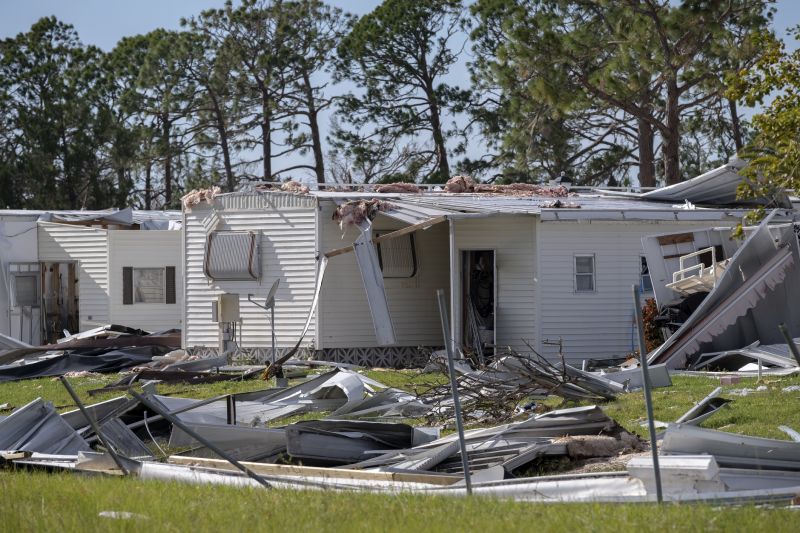
Assessing damage promptly after storms ensures timely restoration and prevents further deterioration.
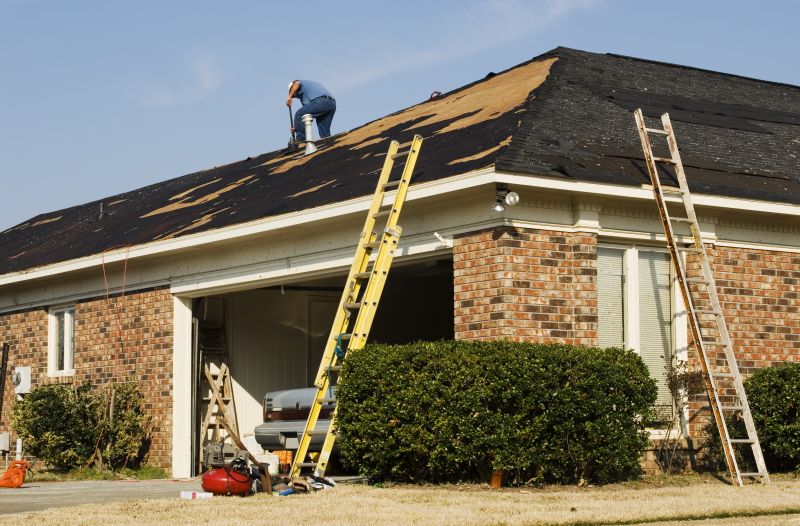
Strengthening roofs before storm seasons can reduce the risk of damage during severe weather.
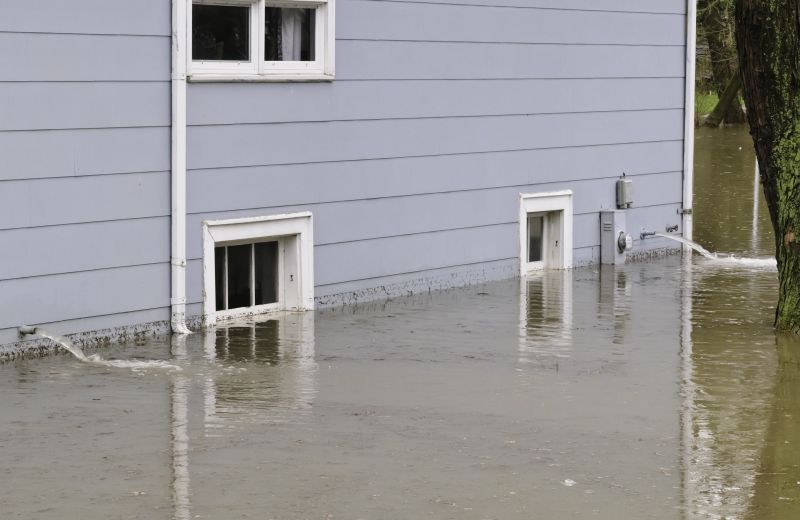
Rapid response to storm damage minimizes secondary issues and accelerates recovery.
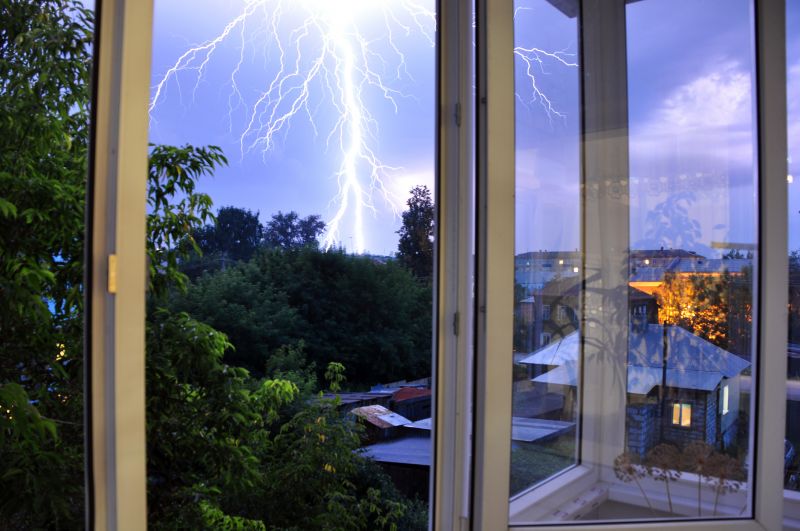
Ways to make Storm Restorations work in tight or awkward layouts.
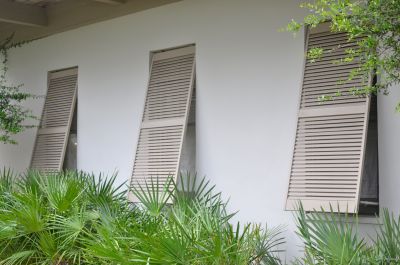
Popular materials for Storm Restorations and why they hold up over time.
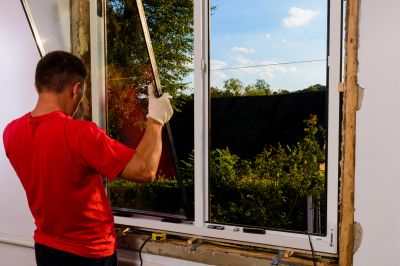
Simple add-ons that improve Storm Restorations without blowing the budget.
| Season | Optimal Restoration Period |
|---|---|
| Spring | Late March to May |
| Summer | June to August |
| Early Fall | September to October |
| Late Fall and Winter | Not recommended due to weather constraints |
Storm restorations involve repairing damage caused by severe weather events such as high winds, hail, and heavy rain. These repairs can include roof replacements, siding repairs, window replacements, and structural reinforcements. Proper timing ensures that restoration work is completed effectively, reducing the risk of further damage and maintaining the integrity of the property.
Statistics indicate that proper storm restoration can significantly extend the lifespan of building components. For example, a well-maintained roof can last up to 25 years, but storm damage can reduce this lifespan by half if not addressed promptly. Timely repairs also help prevent secondary issues like mold growth, water intrusion, and structural weakening.
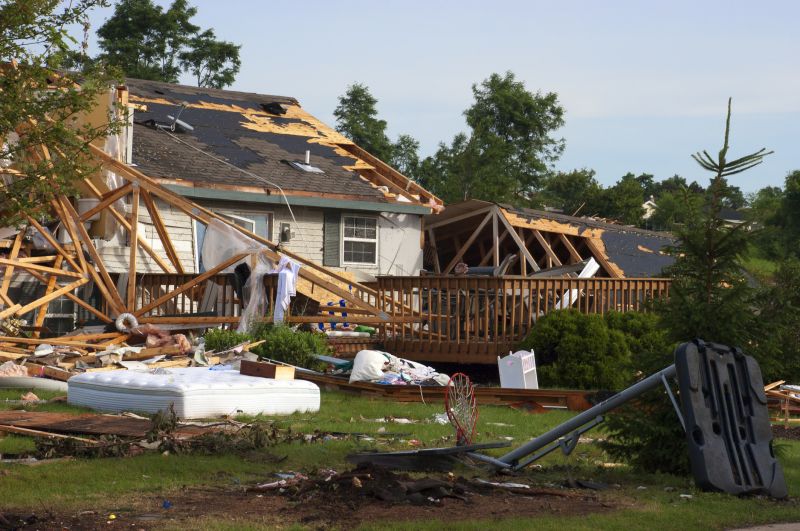
Repairing storm damage promptly restores safety and property value.
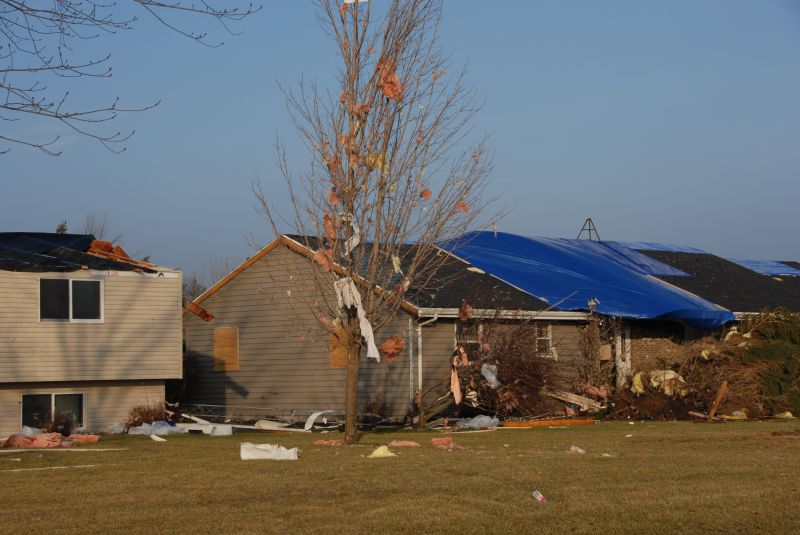
Strengthening roofs before storms can prevent costly damage.
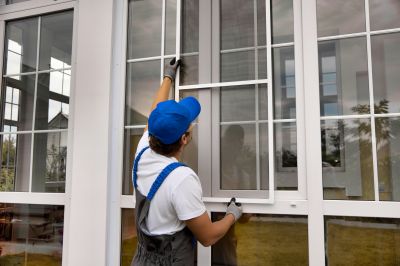
Rapid response teams handle urgent storm damage repairs.
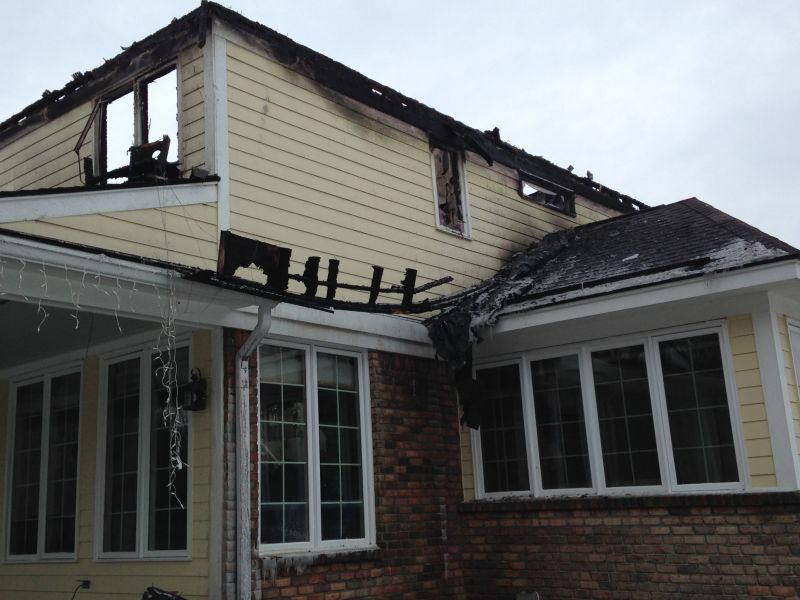
Thorough inspections identify hidden damages early.
For property owners in Delaware, Ohio, understanding the best timing for storm restorations can lead to more effective repairs and longer-lasting results. Planning restorations during the optimal seasons reduces risks and ensures that properties are better prepared for future weather events.
Interested property owners are encouraged to contact for more information or to schedule an assessment. Proper timing and proactive planning can make a significant difference in storm damage management and property preservation.